Septic
Septic Systems in Durham and the Nearby Counties
Septic systems in Durham, NC run under one state rulebook, 15A NCAC 18E, but red clay, saprolite and Triassic Basin soils decide how big the drainfield must be and how well it holds up.
Compiled by the Red Clay Septic & Well desk · Last revised
In these notes
The short version
- About half of North Carolina homes use septic systems, according to NCDHHS.
- Every county here permits under 15A NCAC 18E, in force since January 1, 2024 and amended June 1, 2026.
- Clay soils are loaded at 0.1 to 0.4 gal/day per sq ft under 18E, half or less of the 0.8-1.2 allowed on sands, so Piedmont drainfields run long.
- NC Geological Survey places parts of Durham, Granville, Orange and Chatham counties in the Triassic Basin; Person County is outside it.
- Pumping is due when scum and sludge pass one-third of the tank's liquid depth, typically every 3 to 5 years for a family on 1,000 gallons.
- Permits come from county health departments, including Durham County Environmental Health and Granville-Vance Public Health; this site is not one of them.
- About 1/2Share of North Carolina homes on septic systemsNCDHHS On-Site Water Protection
- 0.1-0.4Gallons per day per square foot allowed on clay soils for conventional trenches15A NCAC 18E Table XVII
- 11Counties with part of the Deep River Triassic basin, Durham, Granville, Orange and Chatham among themNC Geological Survey
- 50 ftSeptic tank and drainfield to a single-family private well under current rules15A NCAC 18E Table IX
How do septic systems in Durham NC differ from elsewhere?
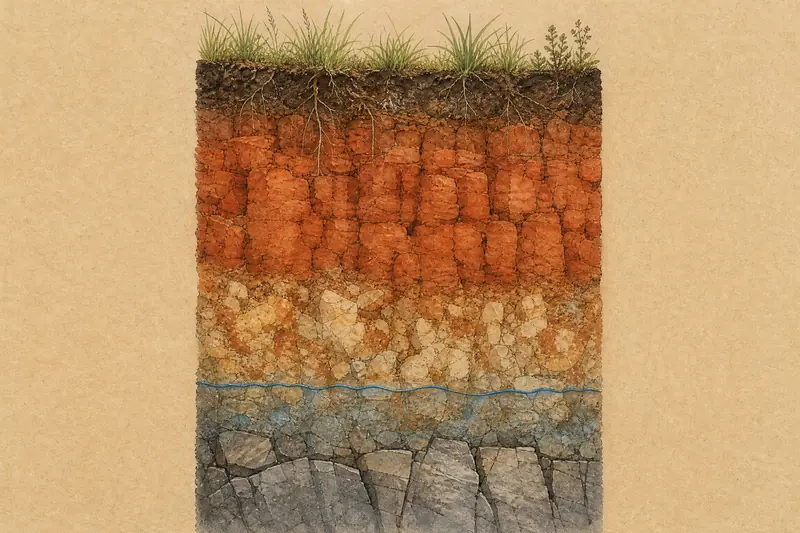
The rules are the same statewide; the soil is what sets Durham-area systems apart. Most lots around Durham sit on Piedmont clay over weathered rock, and NC State Extension says that rock weathers into a clay-rich layer typically 30 to 70 feet thick. Clay takes effluent slowly, so a drainfield on red clay needs far more trench than one on sand.
The Triassic Basin adds a harder case. The NC Geological Survey says its clay-rich rocks weather into soil that does not readily soak up water, and that many Triassic sites perform poorly for drainfields. USDA rates basin soils such as White Store and Creedmoor "very limited" for septic fields, though a county soil evaluation, not that rating, decides each permit.
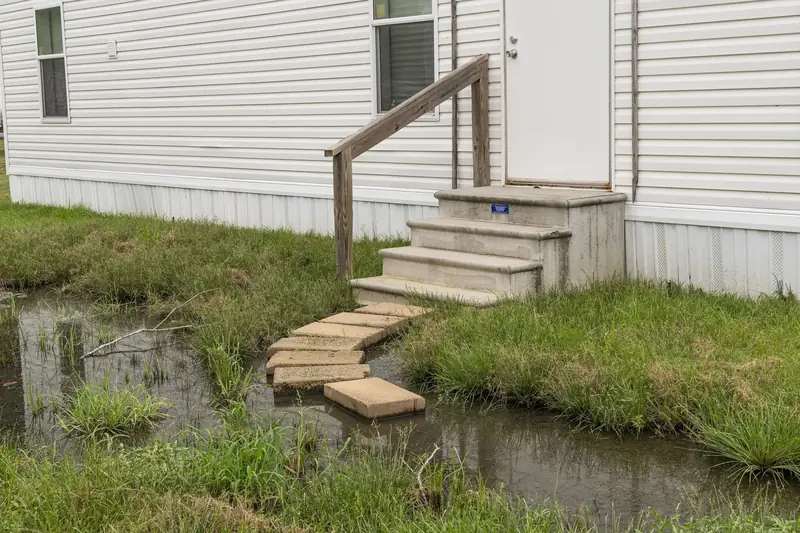
Wet weather shows the difference too. Red clay holds water after rain, and NCDHHS lists slow drains after rain and soggy spots in the yard among the first signs of trouble.
| Part | Rule or guide | Number |
|---|---|---|
| Design flow | 18E .0401 | 120 gal/day per bedroom |
| Septic tank | 18E .0801 Table XIV | 1,000 gal up to 4 bedrooms; 1,250 gal for 5 |
| Soil under trench | 18E .0901 | 12 in of natural soil to any limiting condition |
| Clay loading rate | 18E Table XVII | 0.1-0.4 gal/day per sq ft |
| Pumping trigger | 18E .1303 | Scum plus sludge over 1/3 of liquid depth |
| Effluent filter | NC State Extension AG-439-13 | Check every 2-3 years |
Which septic pages cover upkeep?
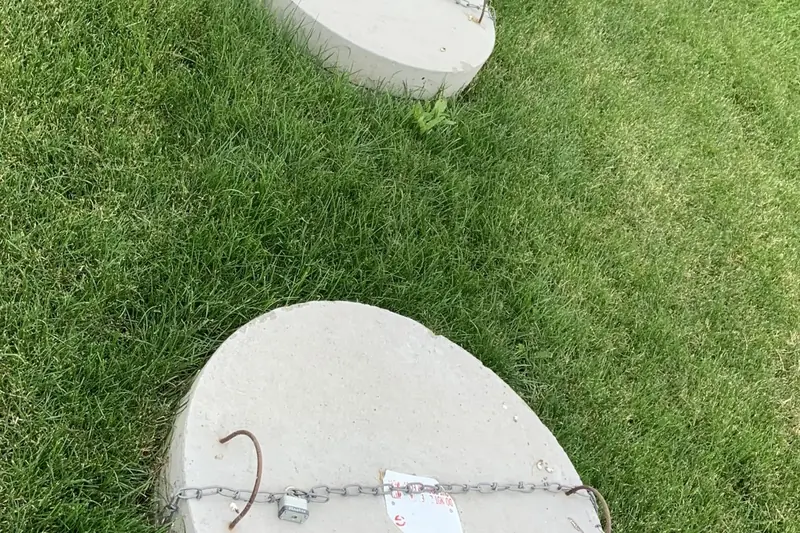
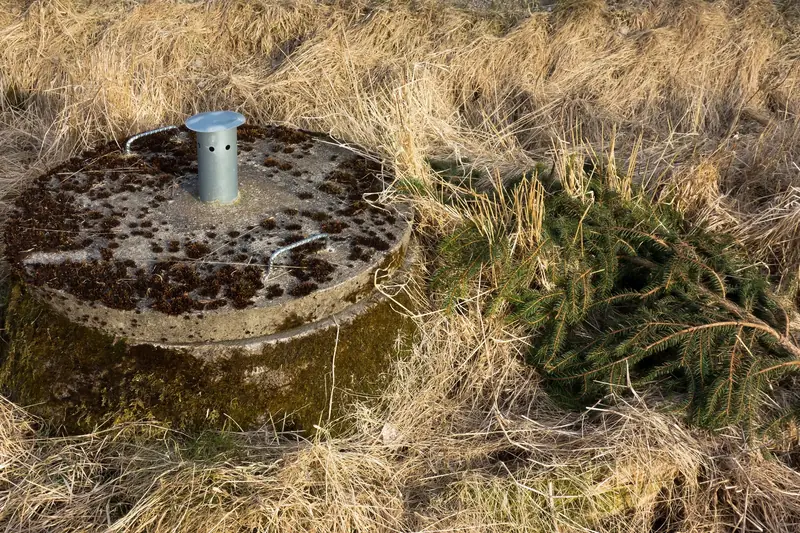
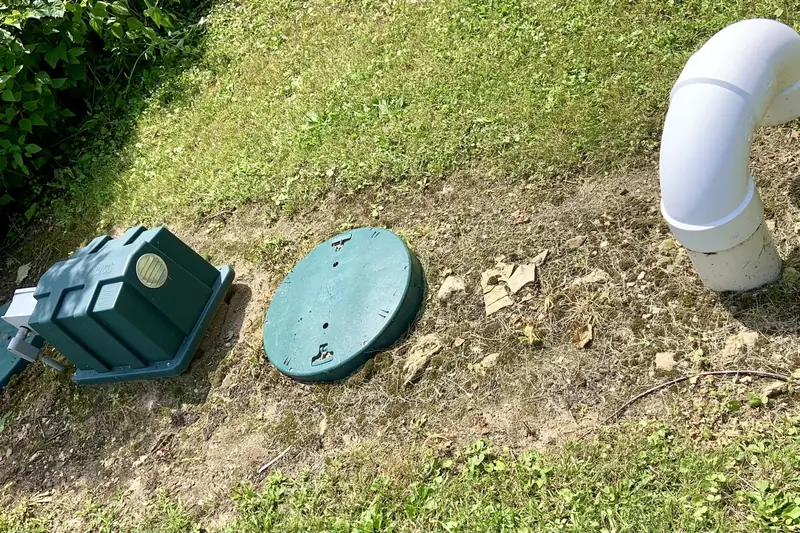
Upkeep is mostly measuring the tank, cleaning the filter and watching for wet ground; NCDHHS puts typical pumping at every three to five years. These pages cover the routine and what to do when something goes wrong:
Which pages cover septic permits and new systems?
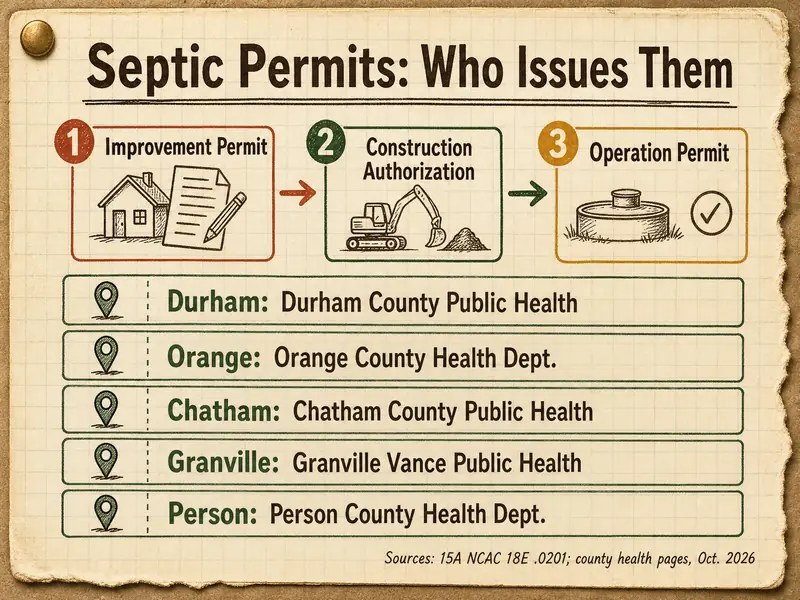
New systems, repairs and additions all start with the county health department under 18E .0201, which runs from application to Improvement Permit, Construction Authorization and Operation Permit. These pages explain the paperwork and the design choices behind it:
Which pages explain the soil?
The soil decides whether a lot gets a permit and what kind of system it gets; under 18E .0509, a single unsuitable soil feature makes the whole site unsuitable. These pages explain why Piedmont clay and the Triassic Basin are hard on drainfields:
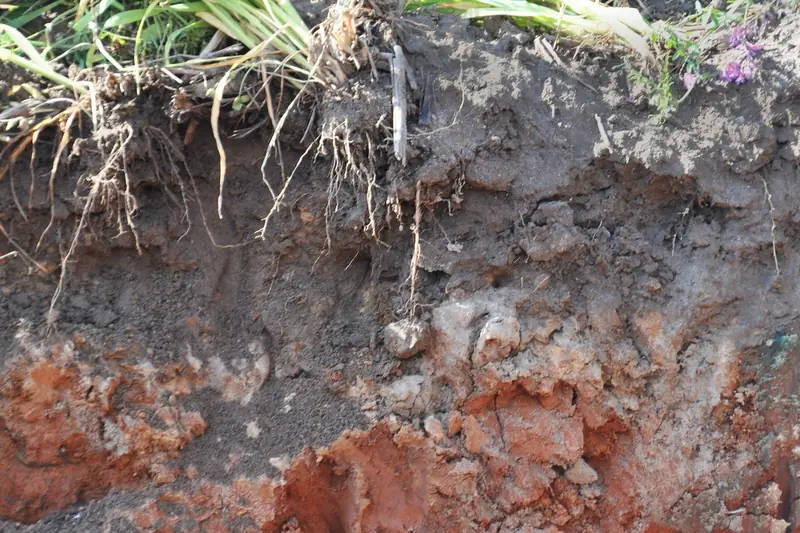 SepticSeptic in red clay soil
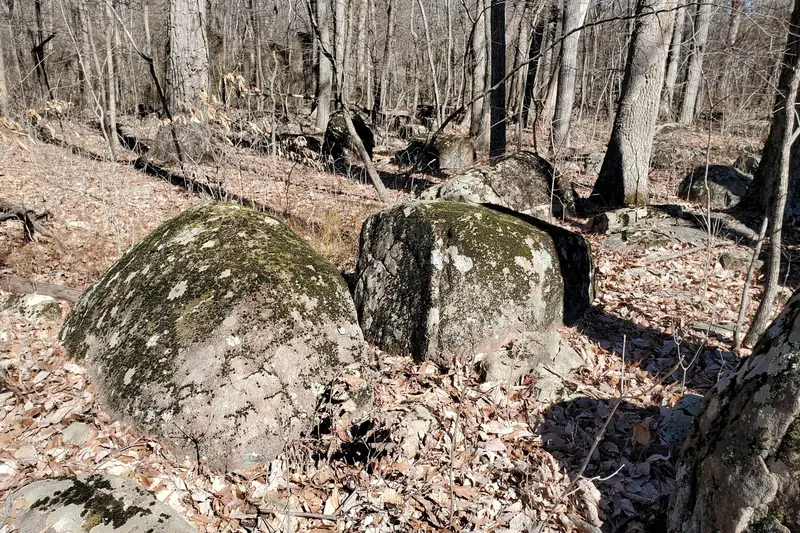 SepticTriassic Basin soils near Durham
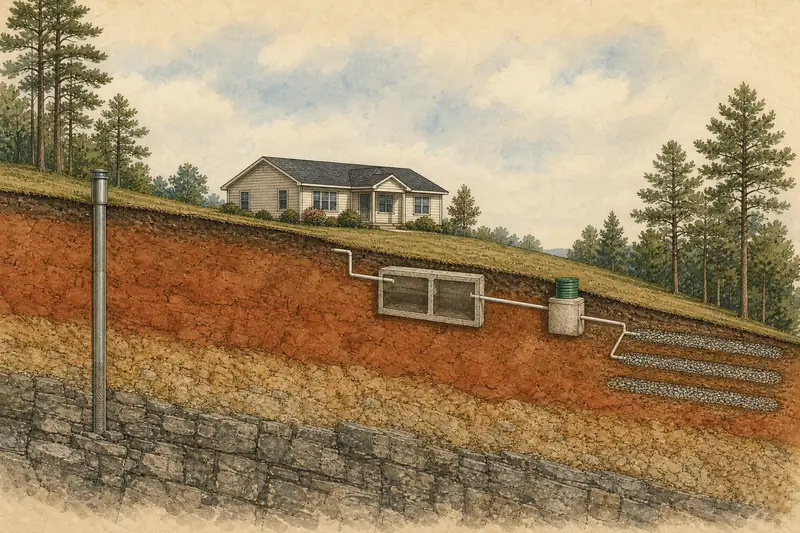 SepticSeptic drain field: how it works and fails
Private wells share the same lots and the same soils. The private wells section covers well permits and testing, and homes near the city line can read about moving from septic to sewer.
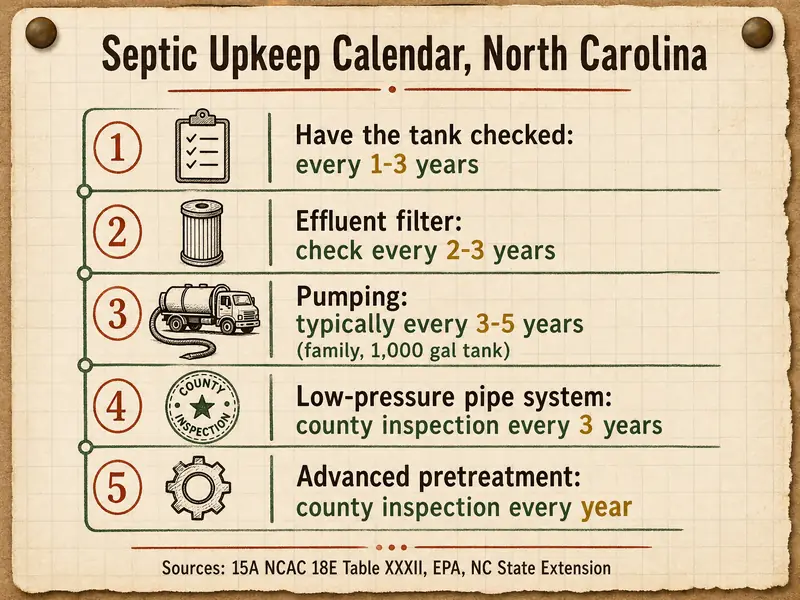
Where this comes from
This section index draws on 15A NCAC 18E (amended June 1, 2026), NCDHHS On-Site Water Protection pages, NC State Extension publications, the NC Geological Survey's Triassic Basin guide and USDA soil ratings, checked October 2026. Each linked page lists its own sources. Contractor prices and service listings are left out.
Questions worth asking
Who regulates septic systems in Durham County?
Durham County Public Health does, through the On-Site Water Protection section of its environmental health staff, which handles site evaluations, construction inspections and complaints. State rules come from NCDHHS.
Who handles septic permits in Granville County?
Granville-Vance Public Health, which covers both Granville and Vance, issues septic and well permits after site and soil evaluations.
Does every septic system near Durham sit on clay?
Most Piedmont lots have clay subsoil, but soils vary even within one lot; NC State Extension notes a single acre can hold several soil types. The county soil evaluation maps what a given lot actually has.
Is Person County in the Triassic Basin?
No. The NC Geological Survey's list of Triassic Basin counties includes Durham, Granville, Orange and Chatham but not Person, which sits on older crystalline rock that includes part of the Carolina Slate Belt.
Do older Durham-area septic permits use different setbacks?
They can. Permits issued under the older rules may show 100 feet to a private well, while 18E Table IX now sets 50 feet for a well serving one house; the permit on file shows what applied when the system was built.
Is Red Clay Septic & Well a county office or a septic company?
Neither. It is a homeowner reference that explains the rules and points to the county health departments, which issue every permit.
Filed under the front page of these Piedmont field notes